Understanding Power Systems: An In-Depth Exploration
Introduction
Power systems are the backbone of modern civilization, providing the electrical energy necessary for industrial operations, transportation, residential living, and countless technologies that define contemporary life. As societies evolve and demand for energy increases, the need for robust, efficient, and reliable power systems becomes paramount. This article aims to provide a comprehensive understanding of power systems, covering their components, operation, types, challenges, advancements, and their role in the broader energy landscape.
1. Overview of Power Systems
1.1 Definition
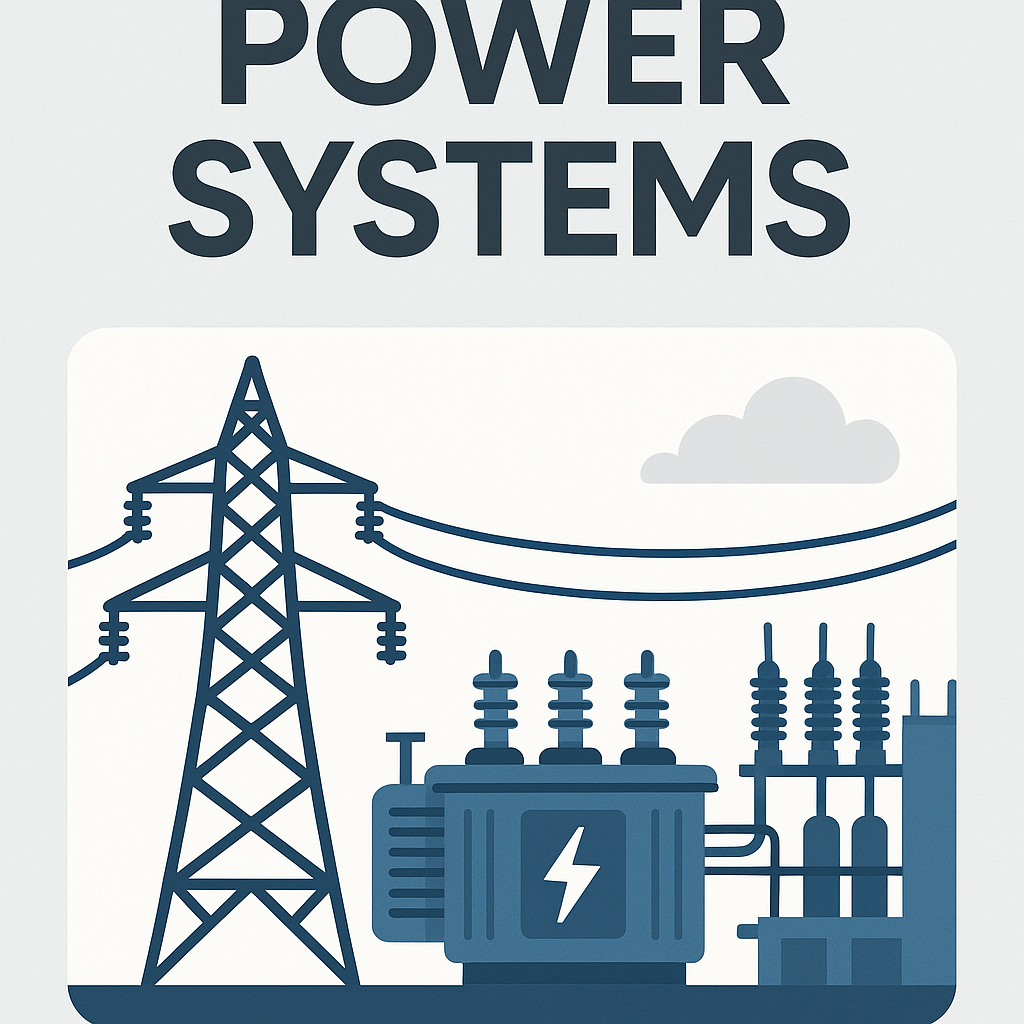
A power system consists of various interconnected components that generate, transmit, and distribute electrical energy to consumers. It encompasses everything from power generation facilities and transmission lines to substations and end-user connections.
1.2 Components of Power Systems
- Generation: The first stage of power systems involves converting various forms of energy (such as fossil fuels, nuclear, wind, solar, and hydro) into electrical energy. Power plants are the primary facilities involved, and they can be categorized into:
- Thermal Power Plants: Use combustion of fossil fuels or nuclear reactions to generate heat, which produces steam that drives turbines.
- Renewable Energy Sources: Wind turbines, solar photovoltaic systems, and hydroelectric power plants harness natural processes to generate electricity.
-
Geothermal and Biomass: These sources utilize the Earth’s heat and organic materials for energy generation.
-
Transmission: Once electricity is generated, it is transmitted over long distances via high-voltage transmission lines. This minimizes losses that occur during the conveyance of power. Key elements include:
- Transmission Lines: Conductors that carry electricity from generation sites to substations.
-
Substations: Facilities where voltage is transformed to appropriate levels for distribution and where various control operations are conducted.
-
Distribution: After transmission, electricity is distributed to end-users. This involves:
- Distribution Lines: Lower voltage lines that deliver electricity to homes and businesses.
-
Transformers: Devices that step down high transmission voltages to safer levels suitable for use by consumers.
-
Control Systems: Modern power systems incorporate sophisticated control mechanisms to monitor and manage the flow of electricity, ensuring stability and reliability.
1.3 Types of Power Systems
Power systems can be categorized based on generation sources, configuration, and scale:
-
Conventional Power Systems: Rely primarily on fossil fuels and nuclear power for electricity generation.
-
Renewable Power Systems: Integrate renewable energy sources and technologies, including solar, wind, and hydro.
-
Microgrids: Smaller, localized networks that can operate independently or in conjunction with the main grid. They often incorporate renewable resources and energy storage.
-
Smart Grids: Advanced power systems that utilize digital technology to monitor, control, and optimize the generation and distribution of electricity.
2. Operation of Power Systems
2.1 Generation Scheduling and Dispatch
The operation of power systems begins with generation scheduling, which involves forecasting demand and determining the optimal mix of generation resources to meet that demand. Factors influencing scheduling include:
- Load Forecasting: Predicting future electricity demand based on historical data, weather conditions, and special events.
- Economic Dispatch: Determining the most cost-effective generation sources to meet anticipated load while considering operational constraints and fuel costs.
2.2 Load Management
Load management strategies are employed to balance electricity supply and demand. This involves:
- Demand Response: Incentivizing users to reduce or shift their electricity usage during peak demand periods.
- Load Shedding: Deliberately reducing the load on the system to prevent overloads and maintain stability.
2.3 Stability and Control
Maintaining stability is crucial for the operation of power systems. Key aspects include:
- Frequency Control: Ensuring that the system frequency remains within acceptable limits (typically around 60 Hz in North America) to prevent equipment damage and maintain reliability.
- Voltage Control: Managing voltage levels throughout the system to ensure safe and efficient operation.
2.4 Protection Systems
Protection systems are designed to detect faults and abnormal conditions within the power system, initiating corrective actions to prevent damage. This includes:
- Relays: Devices that monitor electrical parameters and activate circuit breakers in the event of faults.
- Circuit Breakers: Automatically disconnect faulty sections of the system to isolate issues and maintain stability.
3. Challenges Facing Power Systems
As power systems evolve, they face several key challenges:
3.1 Aging Infrastructure
Many power systems, particularly in developed countries, rely on aging infrastructure that requires significant investment for upgrades and maintenance. Aging equipment can lead to inefficiencies, higher operational costs, and increased risk of failures.
3.2 Integration of Renewable Energy
The increasing integration of renewable energy sources presents challenges related to variability, intermittency, and grid stability. Solutions include:
- Energy Storage Systems: Technologies like batteries and pumped hydro storage can store excess energy generated during peak production times for use during low production periods.
- Smart Grid Technologies: Digital solutions that enhance real-time monitoring and control of the grid.
3.3 Cybersecurity Threats
As power systems become more interconnected and reliant on digital technologies, they are increasingly vulnerable to cyberattacks. Ensuring cybersecurity is critical to safeguarding infrastructure and maintaining reliability.
3.4 Regulatory and Market Challenges
Power systems operate within complex regulatory frameworks that can affect investment decisions and operational efficiency. Changes in policies and market dynamics can lead to uncertainties in revenue and operational models.
4. Advancements in Power Systems
4.1 Smart Grid Technology
Smart grids enhance traditional power systems by incorporating digital communication technologies. Key benefits include:
- Real-Time Monitoring: Enhanced data collection and analysis allow for proactive management of the grid.
- Demand Response Integration: Smart meters and communication systems enable consumers to participate in demand response programs, reducing peak demand.
4.2 Energy Storage Solutions
Energy storage technologies are critical for balancing supply and demand, particularly with the integration of renewable energy. Advancements include:
- Batteries: Lithium-ion, flow batteries, and solid-state technologies are being developed for grid-scale applications.
- Flywheels and Pumped Hydro: These technologies provide rapid response capabilities and long-duration storage.
4.3 Microgrid Development
Microgrids offer localized energy solutions that can enhance resilience and reliability. They can operate independently during grid outages and are often integrated with renewable energy sources.
4.4 Electrification of Transportation
The shift towards electric vehicles (EVs) presents both challenges and opportunities for power systems. The increased demand from EV charging requires careful planning and infrastructure investment.
4.5 Advanced Metering Infrastructure (AMI)
AMI enables two-way communication between utilities and consumers, facilitating better energy management and billing accuracy. It supports demand response programs and enhances customer engagement.
5. The Role of Power Systems in the Energy Landscape
Power systems play a vital role in the global energy landscape, influencing economic development, environmental sustainability, and social equity. Key aspects include:
5.1 Economic Development
Reliable power systems are essential for fostering economic growth. They enable industrial activities, support technological innovation, and provide the foundation for modern infrastructure.
5.2 Environmental Sustainability
Transitioning to renewable energy sources within power systems is critical for reducing greenhouse gas emissions and mitigating climate change impacts. Sustainable power systems are essential for achieving global climate goals.
5.3 Social Equity
Access to reliable electricity is a fundamental right and is essential for improving quality of life. Power systems must address disparities in access and affordability to promote social equity.
Conclusion
Power systems are complex, dynamic networks that play a crucial role in modern society. As the energy landscape continues to evolve, the importance of understanding power systems becomes increasingly evident. Addressing challenges, leveraging advancements, and promoting sustainability will be essential for ensuring that power systems remain reliable, efficient, and resilient in the face of future demands. As we move forward, collaboration among stakeholders—governments, utilities, industries, and consumers—will be vital to fostering innovation and creating a sustainable energy future.