Understanding Net Metering: A Comprehensive Guide
Introduction to Net Metering
Net metering is a billing mechanism that allows residential and commercial customers who generate their own electricity from solar power or other renewable energy sources to feed excess electricity back into the grid. This process not only empowers consumers to take control of their energy consumption but also promotes the use of renewable energy sources, ultimately aiding in the reduction of greenhouse gas emissions and fostering sustainable energy practices.
In this article, we will explore the intricacies of net metering, including its history, benefits, challenges, and its varying regulations across different regions. By the end, readers will have a thorough understanding of how net metering operates, its impact on the energy landscape, and its role in the transition towards sustainable energy systems.
Historical Context of Net Metering
The concept of net metering emerged in the late 20th century as renewable energy technologies, particularly solar photovoltaic (PV) systems, began to gain traction. The first net metering policies were introduced in the United States in the 1980s, primarily as a response to the energy crises and the increasing demand for alternative energy sources.
The early adopters of net metering were often small-scale solar and wind energy users who sought to reduce their reliance on utility-supplied electricity and lower their energy bills. Over time, as technology improved and costs decreased, net metering policies evolved to encourage broader adoption of renewable energy systems.
How Net Metering Works
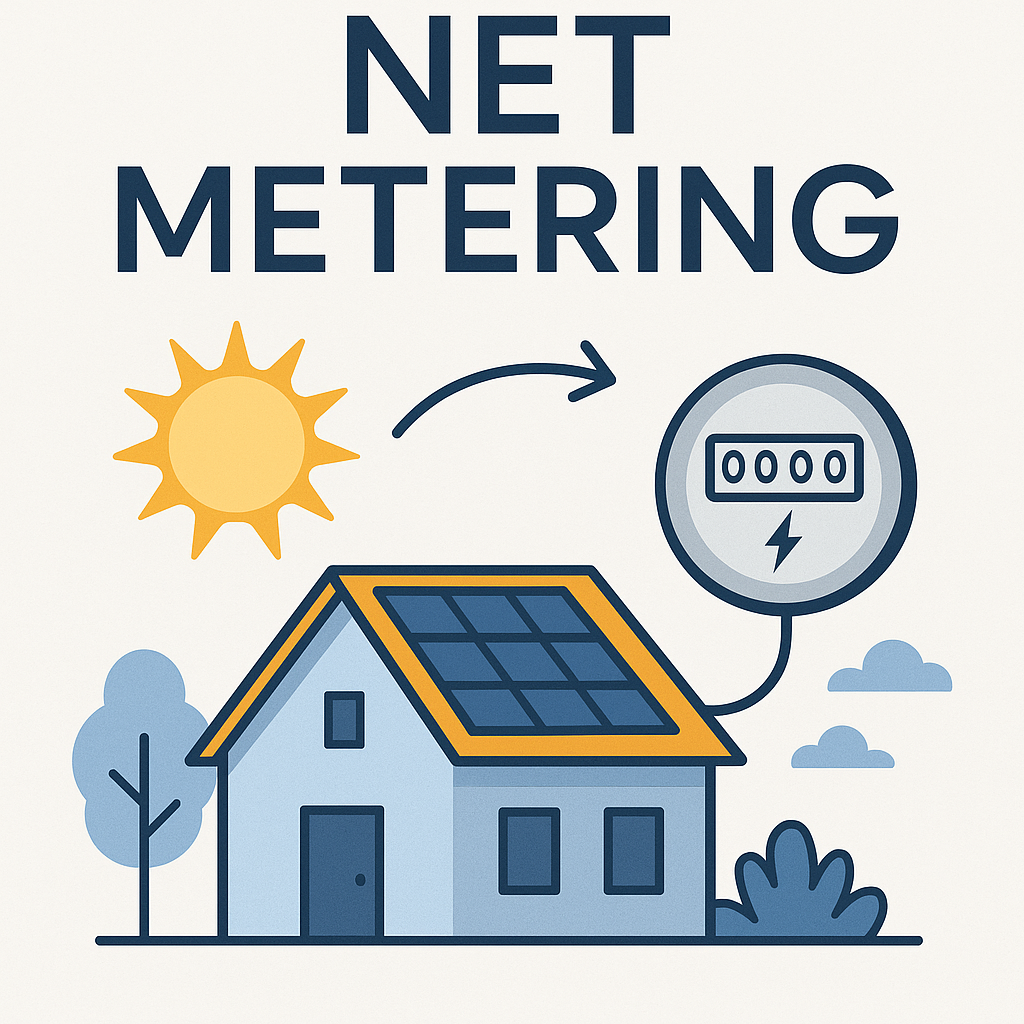
The mechanics of net metering are relatively straightforward. When a customer installs a renewable energy system, such as solar panels, they are connected to the local utility grid. The system generates electricity, which can be used to power the customer’s home or business. If the system produces more electricity than the customer consumes, the excess power is sent back to the grid.
Here’s a step-by-step explanation of the process:
-
Energy Production: The renewable energy system generates electricity. For solar PV systems, this occurs during daylight hours.
-
Consumption: The customer consumes electricity from their renewable system first. If the system produces more electricity than is consumed, the excess is sent to the grid.
-
Metering: The utility meter measures both the electricity consumed from the grid and the electricity fed back into the grid. This is typically done using a bi-directional meter that can track energy flows in both directions.
-
Billing: At the end of the billing period, the utility issues a bill that reflects the net consumption. If the customer consumed more electricity than they generated, they pay for the difference. If they generated more than they consumed, they may receive credits or payments for the surplus energy contributed to the grid.
Types of Net Metering
There are several variations of net metering policies, which can differ based on geographic location and local regulations. The primary types of net metering include:
-
Traditional Net Metering: This is the most common form of net metering, where customers receive credits for excess energy fed back to the grid at the retail electricity rate.
-
Virtual Net Metering: This allows multiple users to share the benefits of a single renewable energy system. It is particularly useful for community solar projects, where participants may not have suitable roofs for solar panels.
-
Aggregate Net Metering: This enables customers with multiple meters to aggregate their energy production and consumption across different locations.
-
Community Solar Programs: These programs allow individuals to invest in a shared solar installation and receive credits on their utility bills based on their share of the energy produced, even if they do not have solar panels on their property.
-
Time-of-Use Net Metering: This approach takes into account the time of day when energy is produced and consumed. Customers may receive higher credits for energy fed back into the grid during peak demand periods.
Benefits of Net Metering
Net metering offers several advantages for both consumers and utilities:
-
Cost Savings: Customers can significantly reduce their electricity bills by generating their own power and receiving credits for excess energy produced.
-
Increased Renewable Energy Adoption: Net metering incentivizes the installation of renewable energy systems, contributing to a cleaner energy portfolio and reducing dependence on fossil fuels.
-
Grid Stability: By decentralizing energy production, net metering can enhance grid resilience and stability, especially during peak demand periods.
-
Environmental Benefits: Increasing the use of renewable energy reduces greenhouse gas emissions and mitigates climate change impacts.
-
Energy Independence: Net metering allows consumers to take control of their energy production, reducing their vulnerability to fluctuations in energy prices.
-
Job Creation: The growth of the renewable energy sector, supported by net metering policies, contributes to job creation in manufacturing, installation, and maintenance of renewable energy systems.
Challenges and Criticisms of Net Metering
Despite its numerous benefits, net metering is not without challenges and criticisms:
-
Utility Concerns: Some utilities argue that net metering shifts costs onto non-solar customers, as they still rely on the grid for backup power and maintenance. This can lead to disputes over the fairness of cost allocation.
-
Grid Reliability: Utilities express concerns about the impact of high levels of distributed generation on grid reliability, particularly if not managed properly.
-
Policy Variability: Net metering policies can vary widely by state and locality, leading to confusion among consumers and potential inequities in access to renewable energy.
-
Incentivizing Overproduction: Critics argue that net metering could incentivize customers to oversize their renewable energy systems to maximize credits, which may not always align with grid needs.
-
Financial Viability for Utilities: As more customers adopt net metering, utilities may face reduced revenues, which could impact their ability to invest in grid maintenance and improvements.
Regional Variations in Net Metering Policies
Net metering policies are largely determined at the state level in the U.S., and while many states have adopted favorable net metering regulations, the specifics can vary significantly. Here’s an overview of how different regions approach net metering:
-
California: California has one of the most progressive net metering policies in the country, allowing customers to receive credits at the retail rate for excess energy produced. However, recent changes have introduced tiered rates and caps on the amount of energy that can be net metered.
-
New York: New York’s net metering program includes options for both residential and commercial customers, with a strong emphasis on community solar initiatives. The state also offers additional incentives through its Solar Incentive Program.
-
Florida: While Florida has made strides in solar adoption, its net metering policies are more restrictive compared to other states. The state has limits on the size of systems eligible for net metering and offers lower compensation rates for excess energy.
-
Texas: Texas has a unique energy market structure, with net metering policies varying significantly by utility. Some areas offer net metering, while others may provide alternative compensation mechanisms.
-
Hawaii: Hawaii has been at the forefront of renewable energy adoption but has faced challenges related to grid capacity. The state has implemented new policies that limit net metering and incentivize battery storage solutions.
Future of Net Metering
The future of net metering will likely be shaped by several factors, including technological advancements, regulatory changes, and evolving energy market dynamics. Some emerging trends include:
-
Battery Storage: The rise of energy storage technologies is transforming the net metering landscape. Batteries allow customers to store excess energy for use during peak demand periods, improving self-consumption rates and reducing reliance on the grid.
-
Smart Grids: The development of smart grid technologies will enhance the ability to manage distributed energy resources, enabling more efficient integration of renewable energy and improving grid reliability.
-
Policy Evolution: As the energy landscape continues to evolve, net metering policies will likely adapt to address concerns from utilities while promoting the growth of renewable energy. This could result in new compensation structures or alternative incentive mechanisms.
-
Community Engagement: Increased awareness and interest in sustainable energy practices may lead to greater community involvement in renewable energy projects, fostering collective action and shared benefits.
-
Climate Change Impacts: With the growing urgency to address climate change, net metering will play a crucial role in accelerating the adoption of renewable energy solutions, as more consumers and businesses seek to reduce their carbon footprints.
Conclusion
Net metering represents a significant step towards a more sustainable energy future, empowering consumers to generate their own electricity while contributing to the overall health of the grid. As we face the challenges of climate change and the transition towards renewable energy sources, understanding the mechanisms and implications of net metering will be essential for individuals, businesses, and policymakers alike.
In summary, net metering not only offers financial benefits for consumers but also supports the broader adoption of renewable energy technologies. While challenges remain, ongoing advancements in technology and shifts in policy will likely shape the future of net metering, ensuring its continued relevance in the quest for sustainable energy solutions.