An In-Depth Analysis of Pacific Gas and Electric Company (PG&E)
Introduction
Pacific Gas and Electric Company (PG&E) is one of the largest combined natural gas and electric utilities in the United States. Founded in 1905, PG&E has played a pivotal role in California’s energy landscape, serving millions of customers across a vast service area that spans approximately 70,000 square miles in northern and central California. This article provides an extensive overview of PG&E’s history, operations, regulatory environment, corporate governance, challenges, and future outlook.
Historical Background
Formation and Early Years
PG&E was established in 1905 through the merger of several smaller utilities. It was initially focused on providing gas and electricity to the rapidly growing population of San Francisco. The company’s early success was driven by the booming industrial sector in California and the increasing demand for energy.
The Expansion Era
In the early to mid-20th century, PG&E expanded its service territory by acquiring numerous smaller utilities and investing in infrastructure. The construction of hydroelectric plants, particularly in the Sierra Nevada mountains, allowed PG&E to harness California’s water resources for electricity generation. This period also saw the expansion of its natural gas distribution network, which became crucial for residential heating and cooking.
The 1970s and 1980s: Energy Crisis and Regulation
The 1973 oil crisis and subsequent energy shortages prompted significant changes in the energy landscape, leading to increased regulatory scrutiny of utilities like PG&E. The California Public Utilities Commission (CPUC) was tasked with regulating utility rates and ensuring service reliability. PG&E faced challenges during this period, including rising costs, aging infrastructure, and environmental scrutiny.
Bankruptcy and Restructuring
In 2001, PG&E filed for bankruptcy due to the California electricity crisis, which was characterized by soaring wholesale energy prices and a flawed deregulation scheme. The company emerged from bankruptcy in 2004, but it continued to face challenges related to its financial health and operational efficiency.
Recent Challenges: Wildfires and Safety Concerns
In recent years, PG&E has been at the center of significant controversies related to wildfires in California. The company’s aging infrastructure and equipment have been linked to several devastating fires, including the Camp Fire in 2018, which resulted in extensive loss of life and property. As a result, PG&E faced numerous lawsuits, regulatory fines, and increased scrutiny from state officials.
In 2019, PG&E announced its decision to file for Chapter 11 bankruptcy protection again, primarily to address its wildfire liabilities. The bankruptcy proceedings led to the establishment of a multi-billion-dollar settlement fund aimed at compensating wildfire victims and improving safety measures.
Operations and Services
Service Territory
PG&E’s service territory encompasses a diverse range of geographic and climatic conditions, from coastal areas to mountainous regions. The company serves approximately 16 million people in over 100 communities, including major urban centers like San Francisco, Sacramento, and San Jose.
Energy Generation
PG&E operates a diverse portfolio of energy generation facilities, including:
-
Hydroelectric Plants: PG&E generates a significant portion of its electricity from hydroelectric power, utilizing California’s rivers and reservoirs.
-
Natural Gas Plants: The company also relies on natural gas-fired power plants to meet demand during peak periods and to provide backup power.
-
Renewable Energy Sources: PG&E has made substantial investments in renewable energy, including solar, wind, and geothermal energy. The company has committed to significantly increasing its renewable energy capacity in alignment with California’s ambitious climate goals.
Natural Gas Distribution
In addition to providing electricity, PG&E is one of the largest natural gas utilities in the U.S., transporting natural gas to residential, commercial, and industrial customers. PG&E’s natural gas distribution network is vital for heating, cooking, and fueling vehicles.
Customer Programs
PG&E offers various programs and services to its customers, including:
-
Energy Efficiency Programs: Initiatives aimed at helping customers reduce energy consumption and costs through efficiency upgrades and incentives.
-
Renewable Energy Programs: Options for customers to participate in renewable energy projects or purchase green energy.
-
Financial Assistance Programs: Programs designed to assist low-income customers with their energy bills, including discounted rates and payment plans.
Regulatory Environment
PG&E operates in a highly regulated environment, overseen by the California Public Utilities Commission (CPUC) and the California Energy Commission (CEC). The regulatory framework governs various aspects of PG&E’s operations, including:
-
Rate Setting: The CPUC reviews and approves the rates that PG&E can charge its customers, ensuring that rates are fair and reasonable.
-
Safety Regulations: PG&E must comply with stringent safety regulations, particularly regarding its infrastructure and wildfire mitigation efforts.
-
Environmental Compliance: PG&E is subject to environmental regulations that impact its operations, including emissions standards and renewable energy mandates.
Legislative Developments
In response to PG&E’s wildfire-related issues, California lawmakers have introduced various bills aimed at improving utility safety and accountability. These legislative measures include requirements for enhanced vegetation management, infrastructure upgrades, and increased funding for wildfire prevention efforts.
Corporate Governance and Leadership
PG&E’s corporate governance structure includes a Board of Directors responsible for overseeing the company’s strategic direction and ensuring compliance with legal and ethical standards. The board comprises a diverse group of individuals with expertise in various fields, including energy, finance, and public policy.
Leadership Changes
PG&E has experienced several changes in leadership in recent years, particularly following its bankruptcy filings. These changes reflect the company’s efforts to restore public trust, improve safety practices, and enhance operational efficiency.
Challenges Facing PG&E
Wildfire Liability
One of the most significant challenges facing PG&E is its liability for wildfires caused by its equipment. The company has faced billions of dollars in claims from wildfire victims, leading to its bankruptcy filings and the establishment of settlement funds. The ongoing risk of wildfires remains a pressing concern for both the company and its customers.
Infrastructure Aging
PG&E’s infrastructure, much of which is decades old, poses significant safety risks. The company faces the challenge of upgrading and modernizing its aging electrical grid while managing costs and minimizing disruptions to service.
Regulatory Scrutiny
PG&E is under constant regulatory scrutiny, particularly regarding its safety practices and wildfire mitigation efforts. The company must demonstrate compliance with regulatory requirements while working to rebuild trust with customers and stakeholders.
Competition and Market Changes
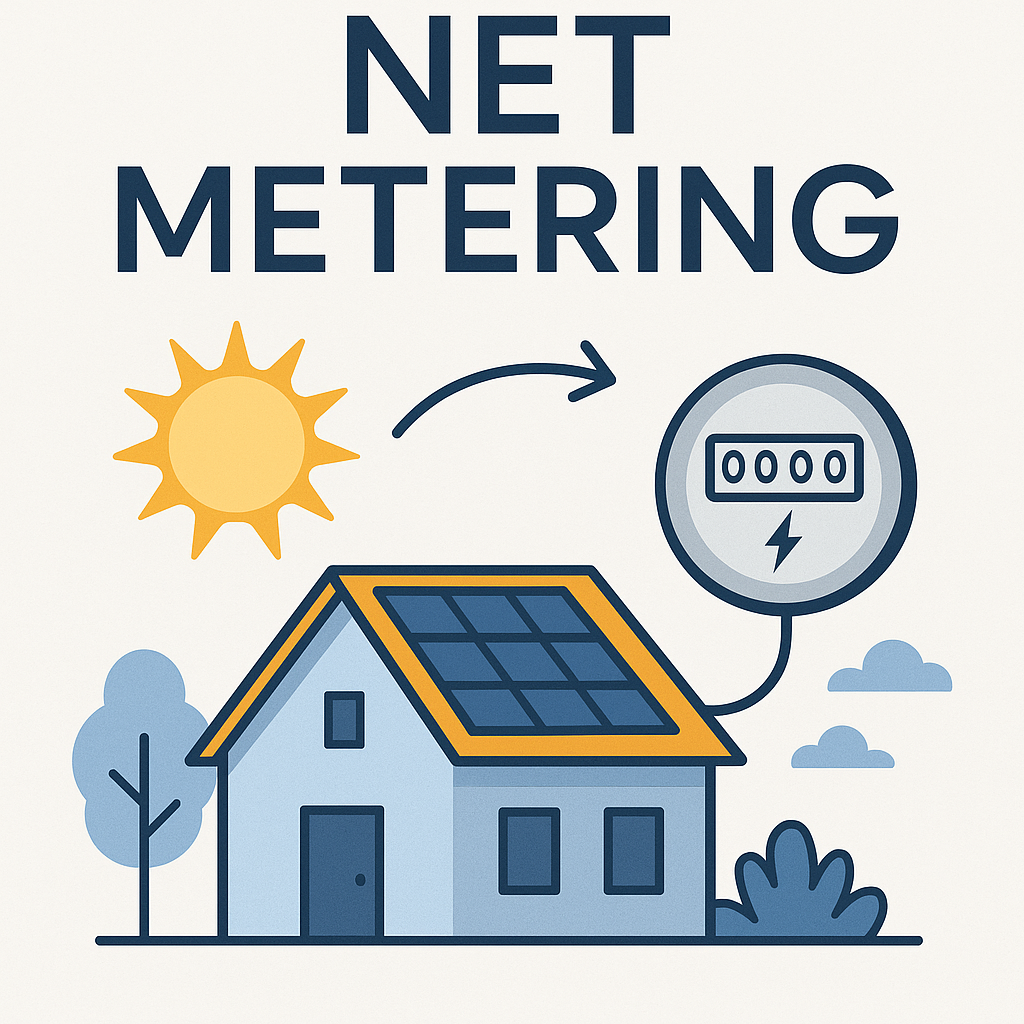
The energy landscape is evolving rapidly, with increasing competition from alternative energy providers and the rise of distributed energy resources like rooftop solar. PG&E must adapt to these market changes and explore innovative solutions to remain competitive.
Future Outlook
Commitment to Safety and Reliability
PG&E has made commitments to enhance safety and reliability through comprehensive wildfire mitigation plans, infrastructure investments, and community engagement. The company aims to rebuild trust with customers by prioritizing safety measures and transparency.
Renewable Energy Goals
In line with California’s climate goals, PG&E is focused on increasing its renewable energy portfolio. The company has set ambitious targets for achieving carbon neutrality and transitioning to 100% clean energy by 2045.
Technological Innovation
PG&E is exploring technological innovations, including smart grid technologies, battery storage, and demand response programs. These advancements aim to enhance grid reliability, improve customer engagement, and facilitate the integration of renewable energy sources.
Customer-Centric Initiatives
PG&E is working to enhance customer experience through improved communication, personalized services, and energy management tools. The company recognizes the importance of engaging with customers and understanding their energy needs.
Conclusion
Pacific Gas and Electric Company stands at a critical juncture in its history, facing significant challenges while also pursuing ambitious goals for safety, reliability, and sustainability. As the company navigates the complexities of the energy landscape, its ability to adapt to changing regulatory environments, invest in infrastructure, and prioritize customer needs will be crucial for its long-term success. PG&E’s commitment to addressing the pressing issues it faces will ultimately determine its role in shaping California’s energy future.