Understanding Power Lines: Infrastructure, Technology, and Impact
Introduction
Power lines are an essential component of modern electrical infrastructure, serving as the backbone of electricity distribution and transmission. This extensive article explores the various aspects of power lines, including their types, construction, safety measures, environmental impact, technological advancements, and future trends.
1. The Basics of Power Lines
1.1 Definition and Purpose
Power lines are conductors that transport electricity from generation sources, such as power plants, to substations and ultimately to consumers. Their primary purpose is to ensure the reliable delivery of electricity over both short and long distances.
1.2 Types of Power Lines
Power lines can be categorized into several types based on their function, voltage level, and construction design:
-
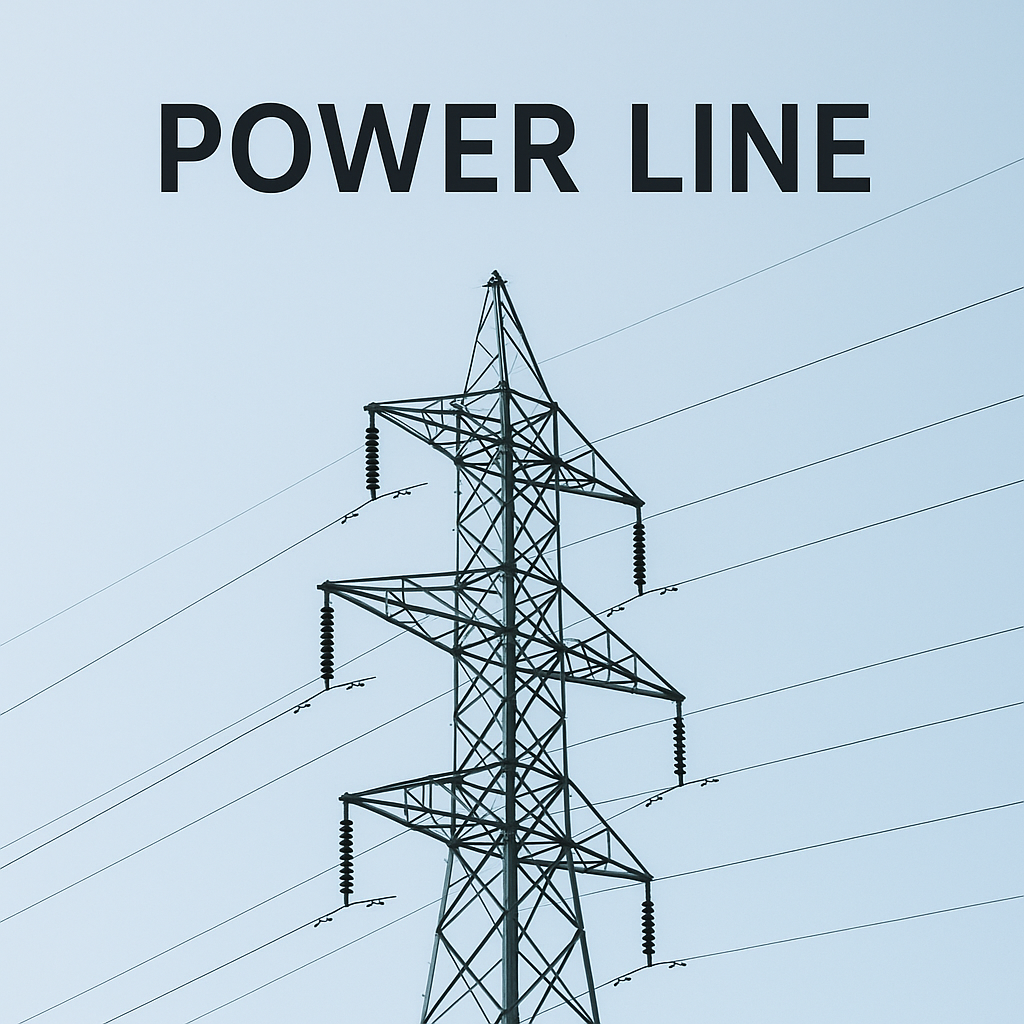
Transmission Lines: High-voltage lines that carry electricity over long distances, typically above 69 kV (kilovolts). They are designed to minimize energy loss due to resistance.
-
Distribution Lines: Lower-voltage lines that distribute electricity from substations to residential, commercial, and industrial consumers, usually operating at voltages below 69 kV.
-
Service Drops: The final segment of the electrical distribution system that delivers power directly to homes and businesses, typically at lower voltages (120/240V).
-
Underground Power Lines: Buried power lines that provide electricity in urban areas or locations where overhead lines are impractical or undesirable.
1.3 Voltage Levels
Power lines are also classified based on voltage levels:
-
Low Voltage (LV): Up to 1 kV, used for residential and small commercial applications.
-
Medium Voltage (MV): Between 1 kV and 35 kV, typically used in urban distribution networks.
-
High Voltage (HV): Between 35 kV and 230 kV, used for long-distance transmission.
-
Extra High Voltage (EHV): Above 230 kV, used for bulk power transmission.
2. Construction and Design of Power Lines
2.1 Materials Used
Power lines are constructed from a variety of materials, depending on their type and application:
-
Conductors: Typically made from aluminum, copper, or a combination of both. Aluminum is widely used due to its lightweight and corrosion-resistant properties, while copper offers superior conductivity.
-
Insulators: Made from materials like porcelain, glass, or polymer, insulators prevent electrical leakage and ensure safety.
-
Support Structures: Towers and poles are constructed from steel, concrete, or wood, designed to withstand environmental conditions and support the weight of the lines.
2.2 Design Considerations
The design of power lines involves numerous considerations, including:
-
Load Capacity: The maximum amount of electrical current a line can safely carry.
-
Spacing and Clearance: Adequate distance between conductors and between conductors and the ground or other structures to prevent electrical arcing.
-
Environmental Impact: Assessing potential effects on wildlife, vegetation, and local ecosystems.
2.3 Construction Process
The construction of power lines involves several steps:
-
Planning and Surveying: Identification of the route, land acquisition, and environmental assessments.
-
Foundation Work: Installing foundations for towers or poles.
-
Erection of Structures: Assembling and erecting towers or poles.
-
Stringing Conductors: Attaching conductors to the support structures.
-
Testing and Commissioning: Ensuring the system operates correctly and safely before going live.
3. Safety and Regulation
3.1 Safety Measures
Safety is paramount in the design and operation of power lines. Key measures include:
-
Clearance Standards: Regulations dictate minimum distances between power lines and buildings, trees, and other structures.
-
Protective Devices: Circuit breakers, fuses, and surge protectors help prevent electrical faults and protect infrastructure.
-
Regular Maintenance: Inspections and maintenance ensure that power lines remain in good condition and free from hazards.
3.2 Regulatory Framework
Power lines are subject to various regulations and standards:
-
National Electric Safety Code (NESC): Provides guidelines for the safe installation and maintenance of power lines in the United States.
-
Federal Energy Regulatory Commission (FERC): Regulates interstate transmission of electricity and ensures fair access to transmission networks.
-
Local and State Regulations: Vary by region, addressing specific safety and environmental concerns.
4. Environmental Impact
4.1 Ecological Considerations
Power lines can have significant ecological impacts, including:
-
Habitat Disruption: Construction can fragment habitats and disrupt wildlife migration patterns.
-
Electromagnetic Fields (EMFs): Concerns exist about the potential health effects of EMFs generated by power lines, though scientific consensus remains inconclusive.
-
Vegetation Management: Regular trimming of trees and vegetation near power lines is necessary to prevent outages, which can affect local ecosystems.
4.2 Mitigation Strategies
To mitigate environmental impacts, utilities employ several strategies:
-
Routing and Siting: Careful planning to avoid sensitive habitats and ecosystems.
-
Use of Underground Lines: In environmentally sensitive areas, underground power lines can minimize surface disruption.
-
Wildlife Protection Programs: Initiatives to protect endangered species and their habitats during construction and operation.
5. Technological Advancements
5.1 Smart Grid Technology
The integration of smart grid technology has revolutionized power line management and operation. Key features include:
-
Real-Time Monitoring: Sensors and communication technology enable utilities to monitor power line conditions and performance in real time.
-
Automated Fault Detection: Advanced systems can quickly identify and isolate faults, minimizing outages and improving reliability.
-
Demand Response: Smart grids allow for dynamic management of electricity demand, optimizing resource use and reducing peak load stress on power lines.
5.2 Renewable Energy Integration
As the world shifts towards renewable energy sources, power lines are evolving to accommodate:
-
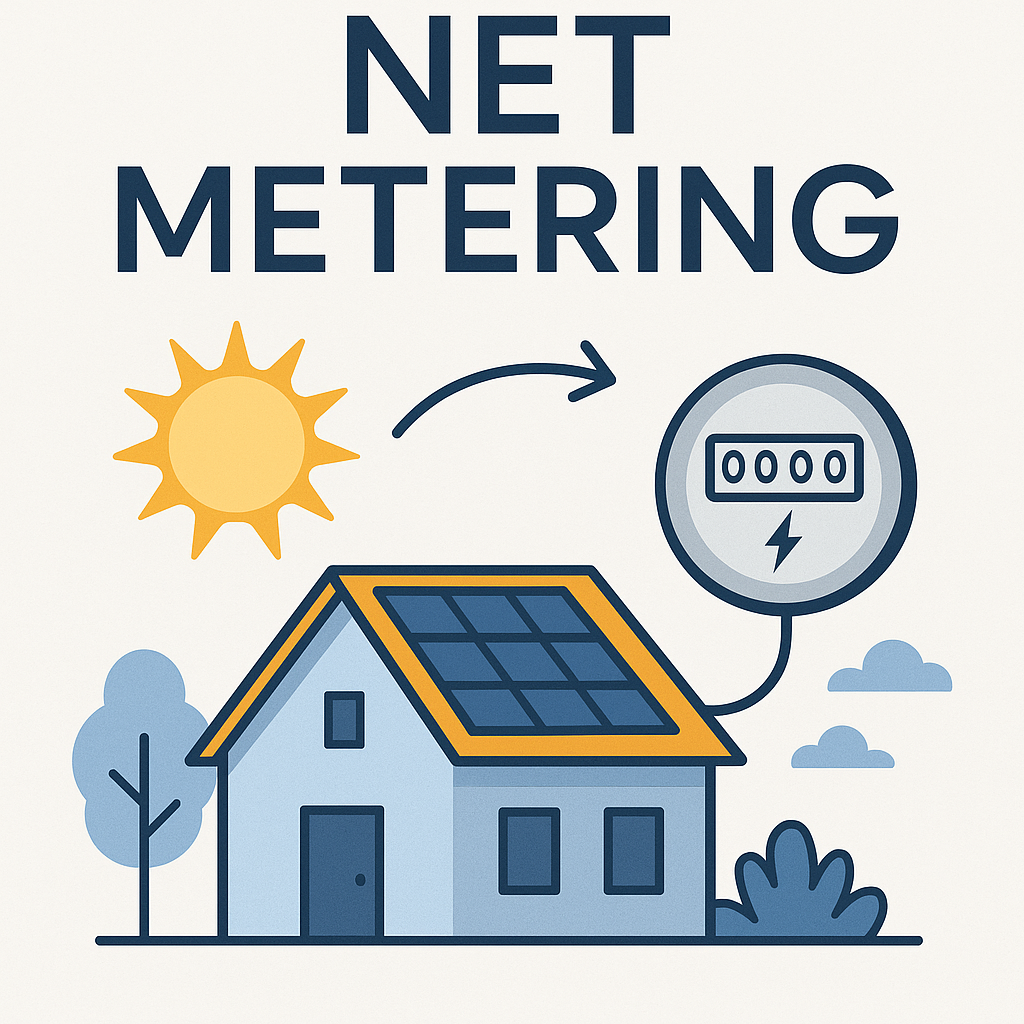
Distributed Generation: Power lines must facilitate the integration of rooftop solar panels and other distributed energy resources.
-
Energy Storage Solutions: Technologies like batteries help manage the intermittent nature of renewable sources, requiring advanced management of power lines.
5.3 Advanced Materials and Design
Innovation in materials science is leading to stronger, lighter, and more efficient power lines:
-
High-Temperature Superconductors (HTS): These materials can carry significantly more current without energy loss, revolutionizing transmission efficiency.
-
Composite Conductors: Utilizing advanced composite materials can reduce weight and improve performance under various environmental conditions.
6. Future Trends
6.1 Decentralization of Energy Systems
The future of power lines may lean towards decentralized energy systems, where local microgrids and community energy projects reduce reliance on traditional centralized power lines. This trend supports greater resilience and sustainability.
6.2 Enhanced Cybersecurity
As power lines become integrated with digital technologies, cybersecurity will be paramount. Protecting the grid from cyber threats will require advanced security measures and protocols.
6.3 Climate Resilience
With climate change posing new challenges, power line infrastructure will need to be designed and adapted for increased resilience against extreme weather events, such as hurricanes, wildfires, and flooding.
Conclusion
Power lines are a critical infrastructure component that enables the delivery of electricity to homes, businesses, and industries. Understanding their construction, operation, and impact is essential for appreciating the complexities of modern electrical systems. As technology continues to evolve, power lines will play an increasingly vital role in facilitating a sustainable energy future, integrating renewable sources, and ensuring reliable power delivery while addressing environmental and safety concerns. The ongoing development of smart grids and advanced materials will further enhance their efficiency and resilience, paving the way for a more sustainable and connected world.