The Rise of Renewable Energy Companies: A Comprehensive Overview
Introduction
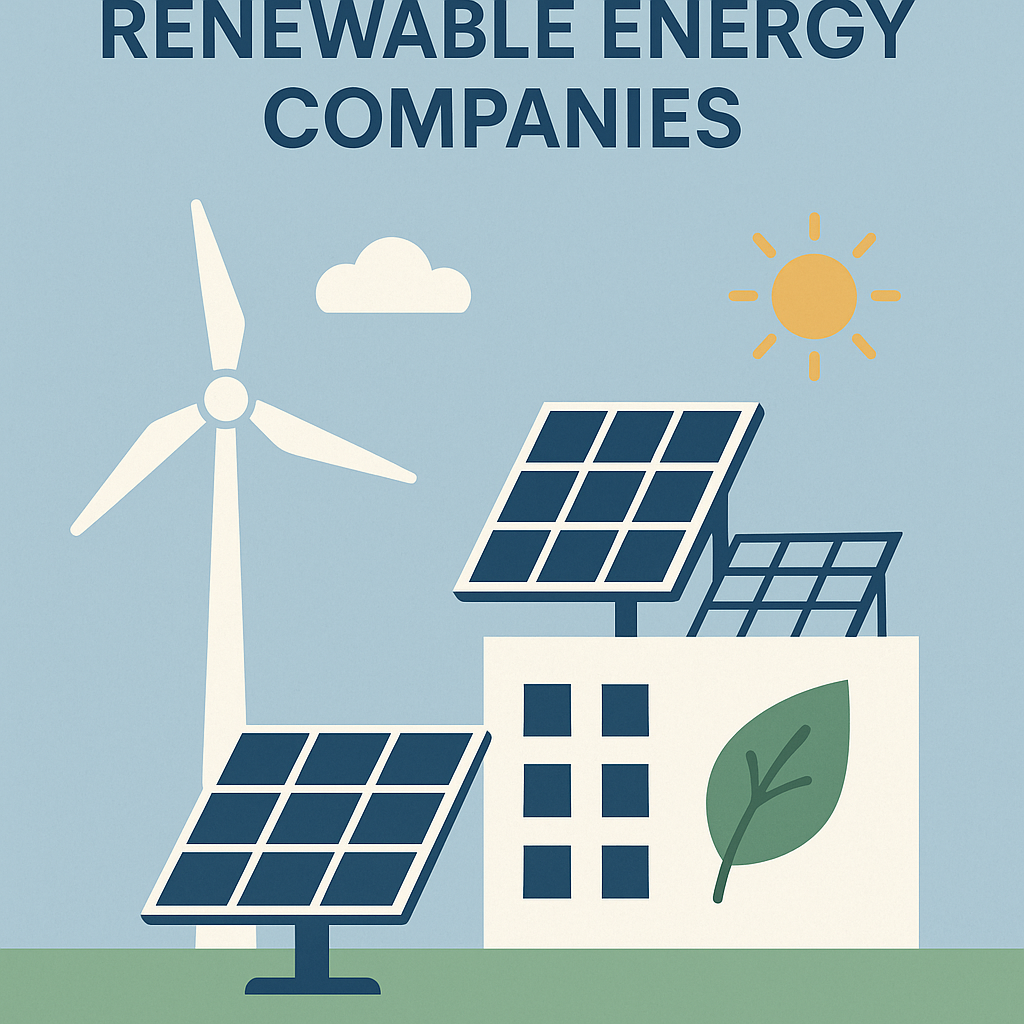
As the world grapples with the escalating consequences of climate change, the spotlight has turned toward renewable energy as a viable solution to reduce greenhouse gas emissions and transition to sustainable energy systems. Renewable energy companies play a pivotal role in this transformation, leading the charge in innovation, technological advancements, and deployment of sustainable energy solutions. This article will explore the landscape of renewable energy companies, their types, key players, challenges, innovations, and the future of renewable energy.
Understanding Renewable Energy
Renewable energy refers to energy derived from resources that are naturally replenished, such as sunlight, wind, rain, tides, waves, and geothermal heat. Unlike fossil fuels, which take millions of years to form and release harmful emissions when burned, renewable energy sources offer cleaner alternatives that can significantly reduce humanity’s carbon footprint.
Types of Renewable Energy
-
Solar Energy: Harnessing energy from the sun through photovoltaic cells or solar thermal systems. Solar energy companies focus on manufacturing solar panels, installing solar systems, and providing maintenance services.
-
Wind Energy: Utilizing wind turbines to convert kinetic energy from wind into electricity. Wind energy companies engage in the design, manufacturing, and operation of wind farms.
-
Hydropower: Generating electricity from flowing water, typically through dams or run-of-river systems. Companies in this sector focus on constructing and managing hydroelectric plants.
-
Geothermal Energy: Tapping into the Earth’s internal heat to generate electricity or provide direct heating. Geothermal companies work on drilling and developing geothermal power plants.
-
Biomass and Bioenergy: Producing energy from organic materials, such as plant and animal waste. Companies involved in biomass energy focus on conversion technologies and sustainable sourcing of biomass.
-
Ocean Energy: Harnessing energy from ocean waves, tides, and thermal gradients. This emerging sector includes companies developing innovative technologies for marine energy extraction.
The Landscape of Renewable Energy Companies
The renewable energy sector has witnessed explosive growth over the last two decades, spurred by technological advancements, policy support, and increasing consumer demand for sustainable solutions. This growth has led to the emergence of various types of companies, from large multinational corporations to small startups.
Major Players in the Industry
- Solar Energy Companies:
- First Solar: A leading manufacturer of solar panels and provider of utility-scale PV power plants. The company emphasizes sustainability and recycling of solar modules.
- SunPower: Known for its high-efficiency solar panels, SunPower focuses on residential and commercial solar solutions. The company also offers energy storage solutions.
-
Canadian Solar: A global player in solar photovoltaic modules and systems, Canadian Solar is involved in the entire solar supply chain, from manufacturing to project development.
-
Wind Energy Companies:
- Vestas: A Danish company, Vestas is one of the largest manufacturers of wind turbines globally. They are known for their innovative turbine designs and extensive service offerings.
-
GE Renewable Energy: A division of General Electric, this company focuses on wind and hydroelectric technologies, providing a range of solutions from onshore and offshore wind turbines to grid integration.
-
Hydropower Companies:
- Brookfield Renewable Partners: One of the world’s largest publicly traded renewable power platforms, Brookfield owns and operates a diverse portfolio of hydroelectric facilities.
-
Ontario Power Generation: A major player in Canada, OPG operates numerous hydroelectric generating stations across the province of Ontario.
-
Geothermal Energy Companies:
- Ormat Technologies: A leading geothermal energy company that develops, builds, and operates geothermal power plants. Ormat also engages in energy storage solutions.
-
Calpine Corporation: While primarily known for its natural gas power generation, Calpine has invested in geothermal energy through its operations in California.
-
Biomass Companies:
- Enviva: Specializing in the production of wood pellets for biomass energy, Enviva plays a crucial role in the biomass supply chain, focusing on sustainability and responsible sourcing.
-
Drax Group: Based in the UK, Drax operates one of the world’s largest renewable biomass power plants, converting coal-fired units to biomass.
-
Ocean Energy Companies:
- Ocean Power Technologies: A pioneer in wave energy technology, Ocean Power Technologies focuses on developing and deploying wave energy converters.
- Minesto: Specializing in tidal energy, Minesto has developed a unique underwater kite technology to harness energy from ocean currents.
Innovations in Renewable Energy
Innovation is at the heart of the renewable energy sector, driving improvements in efficiency, cost reduction, and overall performance. Key innovations include:
1. Advanced Solar Technologies
- Bifacial Solar Panels: These panels capture sunlight from both sides, increasing energy yield.
- Solar Tracking Systems: Mechanisms that adjust the angle of solar panels to follow the sun’s trajectory, maximizing exposure and energy generation.
2. Wind Turbine Advancements
- Larger Turbines: Modern wind turbines have larger blades and higher capacity, significantly increasing energy production per unit.
- Floating Wind Farms: Innovative designs enable wind farms to be installed in deeper waters, where wind resources are more abundant.
3. Energy Storage Solutions
- Battery Technologies: Advancements in lithium-ion and solid-state batteries are enhancing energy storage capabilities, allowing for better integration of variable renewable energy sources.
- Pumped Hydro Storage: A mature technology that uses surplus energy to pump water uphill, which can later be released to generate electricity.
4. Smart Grid Technologies
- Demand Response Systems: Technologies that help balance supply and demand by adjusting electricity usage during peak hours.
- Distributed Energy Resources Management: Systems that integrate various distributed energy sources, including solar panels and battery storage, into the grid.
Challenges Facing Renewable Energy Companies
Despite the positive momentum, renewable energy companies face several challenges:
1. Regulatory and Policy Uncertainty
Changes in government policies, incentives, and regulations can impact the financial viability of renewable energy projects. Companies must navigate complex regulatory environments that vary by region.
2. Market Competition
As the renewable energy sector matures, competition intensifies. Companies must differentiate themselves through innovation, customer service, and cost efficiency.
3. Technological Barriers
While technology is advancing rapidly, certain renewable energy forms still face technological hurdles, such as energy storage limitations and grid integration challenges.
4. Supply Chain Issues
The COVID-19 pandemic highlighted vulnerabilities in global supply chains, affecting the availability of critical components for renewable energy systems. Companies must develop resilient supply chains to mitigate future disruptions.
The Future of Renewable Energy Companies
The future of renewable energy companies looks promising, driven by increasing global demand for clean energy, technological advancements, and public support for sustainability initiatives. Key trends shaping the future include:
1. Decentralization of Energy Production
The rise of distributed energy resources, such as rooftop solar and community wind projects, is empowering consumers to generate their own energy. This trend is likely to continue, fostering a more decentralized energy landscape.
2. Electrification of Transportation
As electric vehicles (EVs) become more mainstream, the demand for renewable energy to power these vehicles will surge. Companies that offer charging infrastructure and energy solutions for EVs will play a crucial role in this transition.
3. Corporate Sustainability Commitments
Businesses are increasingly committing to sustainability goals and carbon neutrality. Renewable energy companies that provide solutions to help corporations meet their sustainability targets will see growing opportunities.
4. International Collaboration
Global cooperation will be essential to tackle climate change effectively. International partnerships, technology transfer, and investment in renewable energy projects in developing countries will contribute to a more sustainable future.
Conclusion
Renewable energy companies are at the forefront of a transformative shift toward sustainable energy systems worldwide. Their contributions are not only critical in combating climate change but also in creating economic opportunities and fostering energy independence. As the sector continues to evolve, driven by innovation, public policy, and global collaboration, the prospects for renewable energy companies remain bright. Embracing the challenges and opportunities ahead will be vital for achieving a sustainable energy future for generations to come.