The Comprehensive Guide to Renewable Energy: Powering a Sustainable Future
Introduction
As the world grapples with the implications of climate change, the urgency for sustainable energy solutions has never been more pronounced. Renewable energy, derived from natural processes that are replenished constantly, has emerged as a pivotal component in the global transition towards a more sustainable future. This article delves deep into the various types of renewable energy sources, their technologies, benefits, challenges, and their role in combating climate change.
Understanding Renewable Energy
Renewable energy encompasses energy that is generated from natural resources such as sunlight, wind, rain, tides, waves, and geothermal heat. Unlike fossil fuels, which are finite and emit greenhouse gases upon combustion, renewable energy sources are abundant and can be harnessed without depleting the Earth’s resources.
Types of Renewable Energy Sources
- Solar Energy
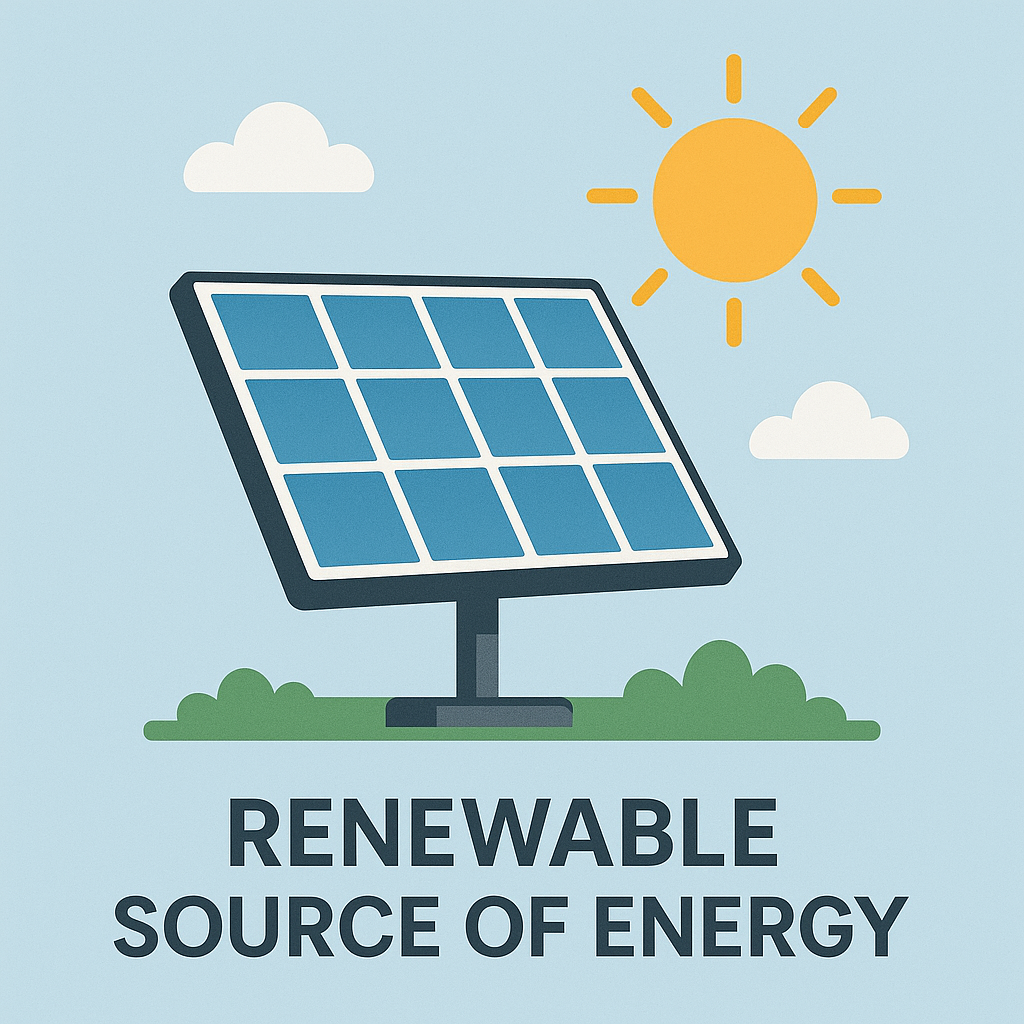
- Photovoltaic (PV) Systems: Photovoltaic cells convert sunlight directly into electricity. When sunlight strikes the semiconductor material, usually silicon, it excites electrons, generating a flow of electricity.
- Concentrated Solar Power (CSP): CSP systems use mirrors or lenses to concentrate a large area of sunlight, or solar thermal energy, onto a small area. This concentrated light is then used to produce steam, which drives a turbine connected to a generator.
-
Solar Heating and Cooling: Solar thermal systems harness sunlight to heat fluids, which can be used for space heating, water heating, or cooling.
-
Wind Energy
- Onshore Wind Turbines: These are installed on land and are typically larger than their offshore counterparts. They convert kinetic energy from wind into mechanical power, which is then converted into electricity.
- Offshore Wind Farms: Installed in bodies of water, offshore wind turbines tend to harness stronger and more consistent winds, leading to higher energy output.
-
Vertical Axis Wind Turbines (VAWT): These turbines have blades that are mounted vertically and can capture wind from any direction. They are less common but are advantageous in urban environments.
-
Hydropower
- Hydroelectric Dams: By damming rivers, these facilities create reservoirs. The water released from the reservoir flows through turbines, generating electricity.
- Run-of-the-River Systems: These systems generate electricity without the need for significant water storage, making them less intrusive to ecosystems.
-
Pumped Storage: This method involves pumping water to a higher elevation during periods of low demand and releasing it to generate electricity during peak demand times.
-
Biomass Energy
- Direct Combustion: Biomass can be burned directly to produce heat and electricity. Common biomass sources include wood, agricultural residues, and municipal solid waste.
- Biofuels: Liquid fuels such as ethanol and biodiesel are produced from biomass. Ethanol is often derived from crops like corn and sugarcane, while biodiesel comes from vegetable oils or animal fats.
-
Anaerobic Digestion: This process involves breaking down organic matter in the absence of oxygen, producing biogas (primarily methane) that can be used for heating or electricity generation.
-
Geothermal Energy
- Geothermal Power Plants: These plants utilize heat from the Earth’s core to generate steam, which drives turbines to produce electricity.
-
Geothermal Heat Pumps: These systems harness the stable temperatures near the Earth’s surface for heating and cooling buildings. They are particularly effective for residential applications.
-
Ocean Energy
- Tidal Energy: Tidal power exploits the gravitational pull of the moon and sun on Earth’s oceans. Tidal turbines can convert the kinetic energy of moving water into electricity.
- Wave Energy: This technology captures energy from surface waves or from pressure fluctuations below the surface. Devices such as point absorbers and oscillating water columns are examples of wave energy converters.
- Ocean Thermal Energy Conversion (OTEC): This process uses the temperature difference between warmer surface water and colder deep water to produce electricity.
Benefits of Renewable Energy
The transition to renewable energy sources offers numerous benefits, including:
1. Environmental Benefits
- Reduction in Greenhouse Gas Emissions: Renewable energy sources produce little to no greenhouse gases compared to fossil fuels, significantly mitigating climate change.
- Lower Air Pollution: Transitioning to renewables reduces air pollutants such as sulfur dioxide and particulate matter, improving public health.
- Sustainable Resource Management: Renewable energy provides a sustainable way to harness energy, reducing dependence on finite fossil fuels.
2. Economic Advantages
- Job Creation: The renewable energy sector has proven to be a significant source of employment. Jobs in manufacturing, installation, and maintenance are on the rise as technology advances.
- Energy Independence: By developing local renewable energy resources, countries can reduce their dependence on imported fuels, enhancing energy security.
- Stability of Energy Prices: Renewable energy sources can provide stable pricing compared to the volatile fossil fuel markets.
3. Social and Community Benefits
- Decentralized Energy Production: Renewable energy systems can be deployed at various scales, enabling local communities to generate their own electricity and enhance resilience against outages.
- Energy Access: Renewable energy technologies, such as solar home systems, can provide electricity to remote or underserved communities, improving living standards and enabling economic development.
Challenges and Limitations of Renewable Energy
Despite the numerous advantages, renewable energy sources face several challenges that must be addressed to facilitate a successful transition:
1. Intermittency and Reliability
- Variable Energy Output: Solar and wind energy are dependent on weather conditions, leading to fluctuations in energy generation. This intermittency can pose challenges for grid reliability.
2. Infrastructure and Technology Development
- Grid Integration: The current energy grid in many regions is not optimized for integrating large amounts of renewable energy. Upgrading infrastructure and implementing smart grid technologies are necessary.
- Energy Storage Solutions: Effective energy storage systems, such as batteries or pumped hydro storage, are critical for managing supply and demand, especially with variable renewables.
3. Economic and Policy Barriers
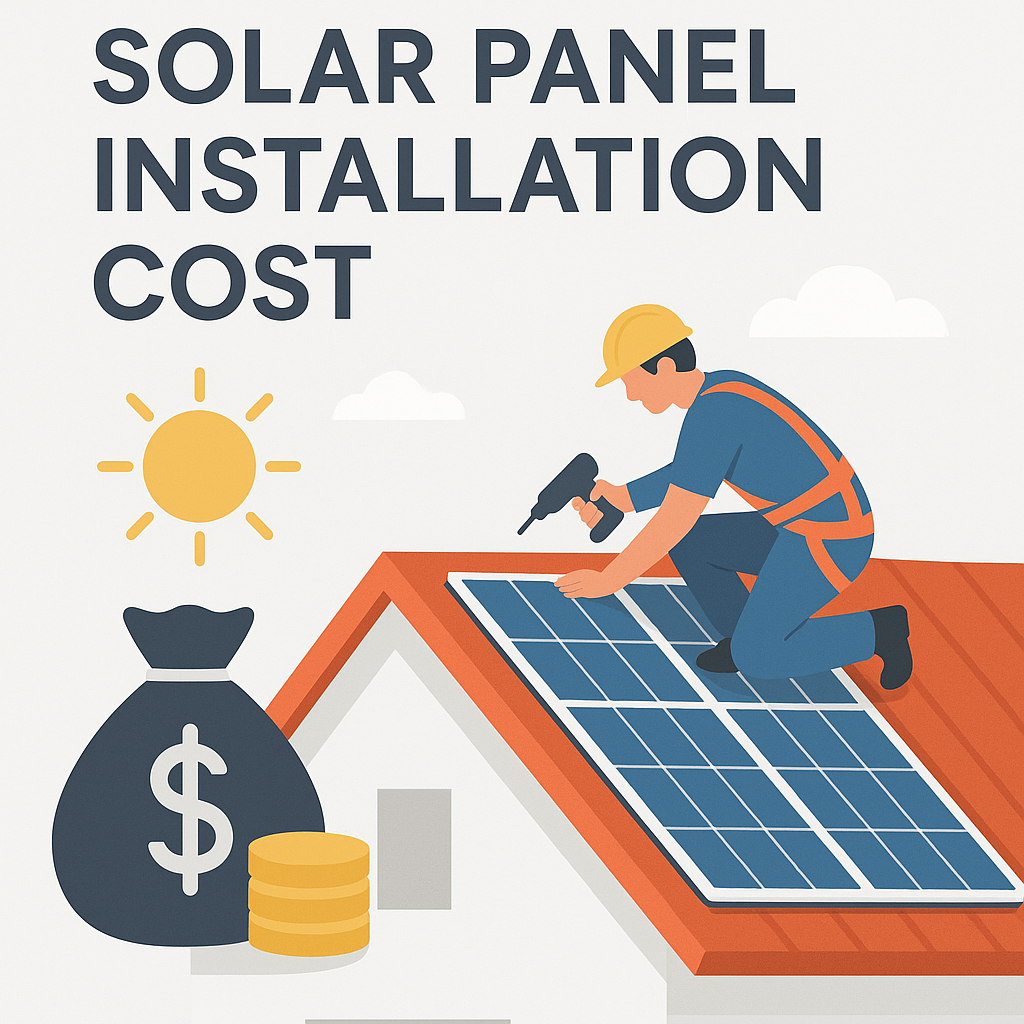
- Initial Costs: Although the cost of renewable technologies has decreased significantly, the initial investment can still be a barrier for widespread adoption.
- Regulatory Frameworks: The lack of supportive policies, subsidies, or incentives can hinder the growth of renewable energy markets.
4. Land and Resource Use
- Land Requirements: Large-scale renewable projects, such as solar farms and wind parks, may require significant land areas, potentially impacting local ecosystems and land use.
- Resource Competition: The production of biofuels can compete with food production and lead to deforestation or habitat loss.
The Role of Policy in Promoting Renewable Energy
Governments play a crucial role in fostering the growth of renewable energy through various policies and incentives. Effective policy frameworks can include:
1. Financial Incentives
- Subsidies and Tax Credits: Financial support can lower the cost of renewable energy projects and make them more competitive with fossil fuels.
- Feed-in Tariffs and Power Purchase Agreements: These mechanisms guarantee a fixed payment for energy produced from renewable sources, encouraging investment.
2. Regulatory Support
- Renewable Portfolio Standards (RPS): Mandating that a certain percentage of energy must come from renewable sources can drive demand and investment.
- Simplified Permitting Processes: Streamlining the approval process for renewable energy projects can reduce barriers to entry.
3. Research and Development
- Funding for Innovation: Government investment in research and development can spur technological advancements and reduce costs associated with renewable energy technologies.
The Future of Renewable Energy
The future of renewable energy looks promising, driven by advancements in technology, growing environmental awareness, and increasing economic viability. Key trends that are likely to shape the future include:
1. Technological Innovations
- Improved Energy Storage: Advancements in battery technologies and other storage solutions will enhance the reliability of renewable energy sources.
- Smart Grids and Demand Response: The integration of smart technologies into the energy grid will facilitate better management of energy supply and demand.
2. Decentralized Energy Systems
- Microgrids: These localized energy grids can operate independently or in conjunction with the main grid, providing resilience and efficiency.
- Community Solar Projects: Initiatives that allow communities to invest in and share solar energy resources will democratize energy access.
3. Global Cooperation
- International Agreements and Partnerships: Collaborative efforts among countries to share technology, knowledge, and resources will accelerate the global transition to renewable energy.
4. Climate Resilience
- Adaptation Strategies: As climate impacts become more pronounced, integrating renewable energy into adaptation strategies will be essential for building resilient communities.
Conclusion
Renewable energy represents a cornerstone of a sustainable future, offering viable solutions to the pressing challenges of climate change and energy security. While there are hurdles to overcome, the collective efforts of governments, businesses, and communities can pave the way for a cleaner, greener energy landscape. As technology continues to advance and awareness grows, the potential for renewable energy to power our world sustainably is not only a possibility but an imperative for future generations. The time to invest in renewable energy is now, for the sake of our planet and its inhabitants.