Understanding Smart Meters: A Comprehensive Guide
Introduction
In the age of technology, the way we consume energy is evolving. One of the most significant advancements in energy management is the introduction of smart meters. These devices have transformed the relationship between consumers and utilities, enabling a more efficient, transparent, and sustainable approach to energy consumption. This article aims to provide an exhaustive overview of smart meters, exploring their functionality, benefits, challenges, and the future of energy management.
What is a Smart Meter?
A smart meter is an advanced type of utility meter that records energy consumption in real-time and communicates this information to the utility provider and, in many cases, directly to the consumer. Unlike traditional analog meters that require manual reading, smart meters leverage digital technology to provide precise and timely data, enhancing the overall energy management experience.
Components of Smart Meters
Smart meters consist of several key components:
-
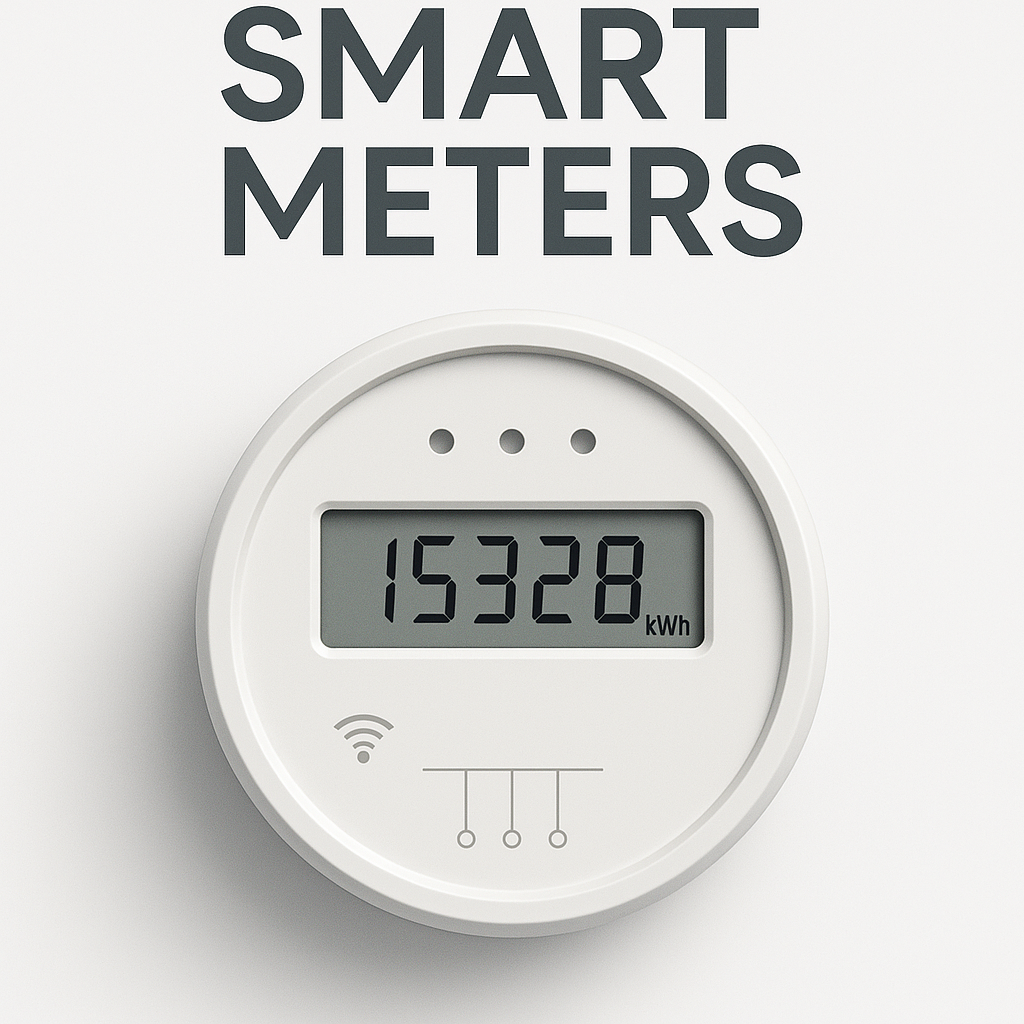
Digital Display: Unlike traditional meters, smart meters have a digital interface that displays real-time energy consumption, often in kilowatt-hours (kWh).
-
Communication Module: This component enables two-way communication between the meter and the utility company. It can use various communication technologies, such as cellular networks, radio frequency, or power line communication.
-
Data Storage: Smart meters are equipped with storage capabilities to retain historical data on energy usage, which can be accessed by both the consumer and the utility provider.
-
Sensors: Many smart meters include sensors that can monitor not only electricity usage but also other parameters such as voltage levels and energy quality, allowing for more detailed reporting and diagnostics.
How Smart Meters Work
Smart meters function by continuously monitoring energy usage and sending this information to the utility company at regular intervals. The process can be broken down into several steps:
-
Data Collection: The smart meter records energy consumption data at frequent intervals (e.g., every 15 minutes).
-
Data Transmission: This data is then transmitted to the utility provider through secure communication channels. The transmission can occur via various methods, including cellular networks, radio frequency, or with power line communication technology.
-
Data Analysis: Utilities analyze the data to monitor consumption patterns, identify outages, and improve grid management.
-
Consumer Access: Many smart meters come with a consumer portal or app that provides users with insights into their energy consumption, enabling them to make informed decisions about their usage.
Benefits of Smart Meters
The implementation of smart meters offers a multitude of advantages for consumers, utility companies, and the environment. Here are some notable benefits:
1. Improved Energy Efficiency
Smart meters empower consumers to monitor their energy consumption in real-time. By providing detailed insights into usage patterns, consumers can make informed decisions to reduce waste and optimize their energy use, ultimately leading to lower utility bills.
2. Enhanced Grid Management
Utility companies can monitor the grid’s performance in real-time, allowing for better load balancing and reducing the likelihood of blackouts. Smart meters help utilities manage peak demand more effectively, improving overall grid reliability.
3. Reduced Operational Costs
Smart meters reduce the need for manual meter readings, which can be labor-intensive and prone to errors. By automating data collection and transmission, utilities can save on operational costs and allocate resources more efficiently.
4. Environmental Impact
By promoting energy conservation and efficiency, smart meters contribute to reducing greenhouse gas emissions. When consumers are more aware of their energy usage, they are more likely to adopt energy-saving practices, which can lead to a decrease in overall energy demand.
5. Improved Customer Engagement
Smart meters foster a closer relationship between consumers and utility providers. With access to detailed consumption data, consumers can participate in demand response programs, where they adjust their energy use in response to price signals or grid conditions.
6. Time-of-Use Pricing
Many utilities offer time-of-use (TOU) pricing, where electricity rates vary based on the time of day. Smart meters enable consumers to take advantage of these pricing structures, allowing them to shift their usage to off-peak times when rates are lower.
7. Outage Detection and Management
Smart meters can automatically report outages to utilities, reducing response times and improving the reliability of service. This feature allows for quicker restoration of power and minimizes customer inconvenience.
Challenges Associated with Smart Meters
Despite the numerous benefits, the deployment of smart meters is not without challenges. Here are some of the key obstacles faced by utilities and consumers:
1. Privacy Concerns
The collection of detailed consumption data raises concerns about consumer privacy. Some individuals worry that their energy usage patterns could be used against them or that hackers could potentially access sensitive information. Utilities must take robust measures to ensure data security and protect consumer privacy.
2. Initial Costs
The transition to smart meters requires significant investment from utility companies, which can lead to increased rates for consumers. The upfront costs of purchasing and installing smart meters can be a barrier for some utilities, especially smaller companies with limited financial resources.
3. Technical Challenges
The integration of smart meters into existing infrastructure can present technical challenges. Utilities must ensure that their systems can handle the increased data flow and maintain compatibility with legacy systems.
4. Consumer Acceptance
Some consumers may be resistant to adopting smart meters due to concerns about privacy, potential costs, or a lack of understanding of how the technology works. Education and outreach efforts are crucial to addressing these concerns and promoting acceptance.
5. Regulatory Hurdles
The rollout of smart meters often requires navigating complex regulatory environments. Utilities must work with government agencies to ensure compliance with standards and regulations while also addressing consumer concerns.
The Future of Smart Meters
As we look to the future, smart meters are expected to play a critical role in the evolution of energy management. Here are some trends and developments to watch:
1. Integration with Renewable Energy
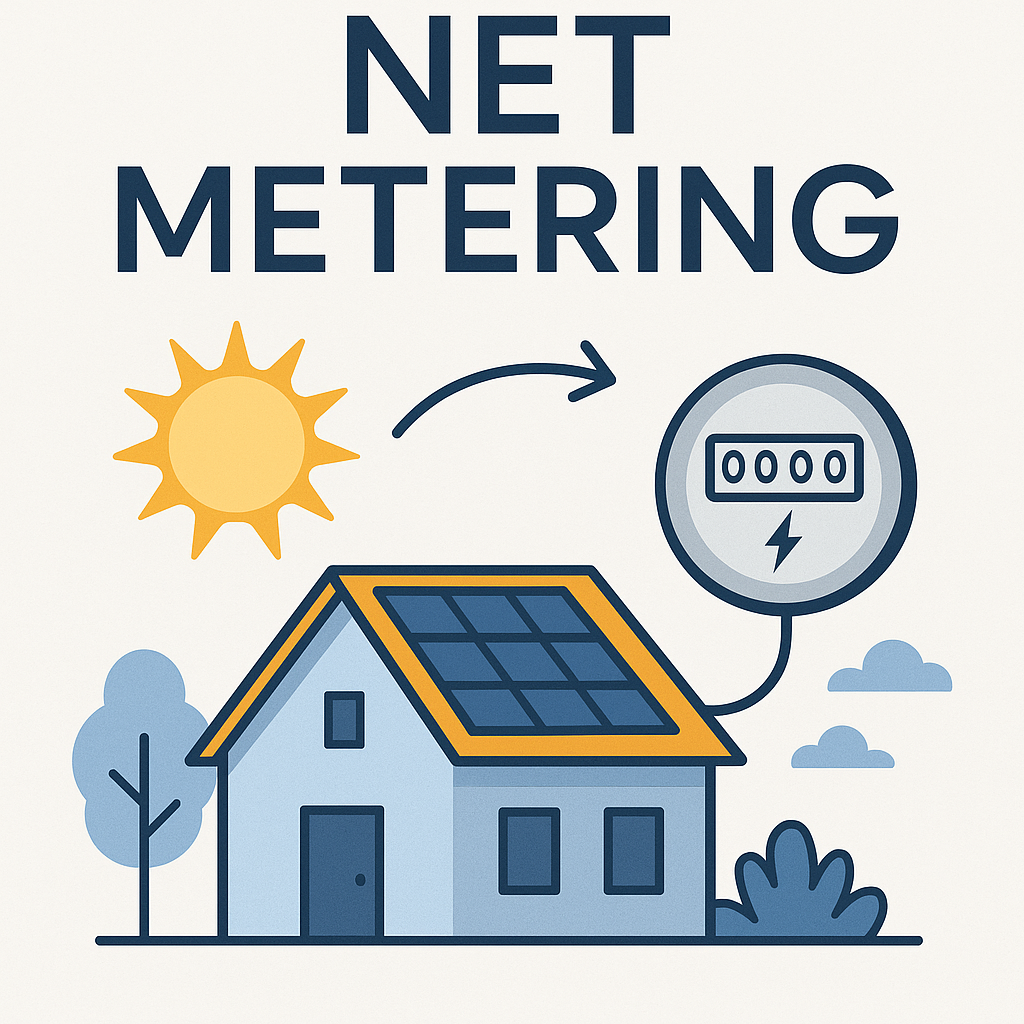
As the adoption of renewable energy sources like solar and wind continues to grow, smart meters will be essential for managing distributed energy resources. They will enable consumers to monitor their generation and consumption, facilitating the transition to a more decentralized energy grid.
2. Smart Home Integration
Smart meters will increasingly be integrated with smart home technologies, allowing for enhanced energy management. Home automation systems can utilize data from smart meters to optimize energy use, such as adjusting heating and cooling based on real-time consumption data.
3. Advanced Demand Response Programs
As utilities gain more insights into consumer behavior through smart meters, they can develop more sophisticated demand response programs. These initiatives encourage consumers to reduce their energy consumption during peak times, helping to stabilize the grid and reduce costs.
4. Enhanced Data Analytics
With the vast amounts of data generated by smart meters, advanced analytics and artificial intelligence will play a crucial role in optimizing energy management. Utilities will be able to identify trends, predict demand, and develop targeted energy-saving programs.
5. Greater Consumer Empowerment
The future of energy management will be characterized by increased consumer empowerment. As more individuals gain access to their energy consumption data, they will have the tools needed to make informed decisions about their energy use, leading to more sustainable practices.
6. Electric Vehicle Integration
As electric vehicles (EVs) become more prevalent, smart meters will be vital in managing charging patterns. They can help consumers charge their vehicles during off-peak hours, reducing strain on the grid and optimizing energy usage.
7. Regulatory Developments
As the technology evolves, regulatory frameworks will need to adapt to address new challenges and opportunities. Policymakers will play a crucial role in establishing standards for data privacy, security, and interoperability.
Conclusion
Smart meters represent a significant leap forward in energy management, offering a range of benefits for consumers, utilities, and the environment. While challenges remain, the future of smart meters appears promising, with advancements in technology, data analytics, and consumer engagement paving the way for a more efficient and sustainable energy landscape. Understanding the implications of smart meters is essential for all stakeholders as we transition to a smarter, greener future. As consumers become more informed and engaged, they can play an active role in shaping the energy landscape, contributing to a sustainable future for generations to come.