Comprehensive Guide to Solar Panel Installation
Solar energy has emerged as one of the most viable and sustainable sources of energy in the contemporary world. As the need for renewable energy sources continues to grow, solar panel installation has become an increasingly popular choice for homeowners and businesses alike. This guide aims to provide a detailed overview of the solar panel installation process, covering everything from basic concepts to advanced technical specifications, financial considerations, and maintenance tips.
Table of Contents
- Understanding Solar Energy
- 1.1 What is Solar Energy?
- 1.2 Benefits of Solar Energy
-
1.3 Types of Solar Panels
-
Planning for Solar Panel Installation
- 2.1 Assessing Your Energy Needs
- 2.2 Evaluating Your Property
-
2.3 Understanding Local Regulations and Incentives
-
Choosing the Right Solar Panel System
- 3.1 Grid-Tied vs. Off-Grid Systems
- 3.2 Components of a Solar Panel System
-
3.3 Selecting the Right Solar Panels
-
The Solar Panel Installation Process
- 4.1 Preparing for Installation
- 4.2 Installation Steps
-
4.3 Connecting to the Grid
-
Financial Considerations
- 5.1 Cost of Solar Panel Installation
- 5.2 Financing Options
-
5.3 Tax Credits and Incentives
-
Maintenance and Monitoring
- 6.1 Routine Maintenance
- 6.2 Monitoring Your System’s Performance
-
6.3 Troubleshooting Common Issues
-
Conclusion
- 7.1 The Future of Solar Energy
- 7.2 Final Thoughts
1. Understanding Solar Energy
1.1 What is Solar Energy?
Solar energy is the energy obtained by harnessing sunlight using a variety of technologies. The most common method involves converting sunlight into electricity using photovoltaic (PV) cells. These cells are made of semiconductor materials, typically silicon, which generate an electric current when exposed to sunlight.
1.2 Benefits of Solar Energy
- Environmental Impact: Solar energy reduces reliance on fossil fuels, decreasing greenhouse gas emissions and air pollution.
- Energy Independence: By generating your own electricity, you reduce dependence on utility companies and protect yourself from fluctuating energy prices.
- Cost Savings: After the initial installation cost, solar energy can significantly lower your electricity bills and may provide long-term savings.
- Increase Property Value: Homes with solar energy systems often sell at a premium compared to those without.
- Job Creation: The solar industry creates numerous jobs in manufacturing, installation, and maintenance.
1.3 Types of Solar Panels
- Monocrystalline Solar Panels: Made from a single crystal structure, these panels are known for their high efficiency and space-saving design.
- Polycrystalline Solar Panels: Composed of multiple silicon crystals, these panels are generally less efficient but also less expensive.
- Thin-Film Solar Panels: Lightweight and flexible, these panels can be integrated into building materials but typically have lower efficiency compared to crystalline panels.
2. Planning for Solar Panel Installation
2.1 Assessing Your Energy Needs
Before installing solar panels, it’s crucial to evaluate your energy consumption. Review your electricity bills over the past year to determine your average monthly usage in kilowatt-hours (kWh). This will help you understand how much energy you need to generate with your solar system.
2.2 Evaluating Your Property
- Roof Condition: Ensure your roof is in good condition and capable of supporting the weight of solar panels.
- Orientation and Tilt: South-facing roofs with a tilt angle of 30-45 degrees are ideal for maximizing sunlight exposure.
- Shade Analysis: Evaluate potential shading from trees, buildings, or other structures that could impact solar panel performance.
- Space Availability: Determine how much space is available for panel installation, including considerations for future expansion.
2.3 Understanding Local Regulations and Incentives
Research local zoning laws, building codes, and homeowner association (HOA) regulations related to solar panel installations. Additionally, investigate available incentives such as federal tax credits, state rebates, and renewable energy certificates (RECs) that can help offset installation costs.
3. Choosing the Right Solar Panel System
3.1 Grid-Tied vs. Off-Grid Systems
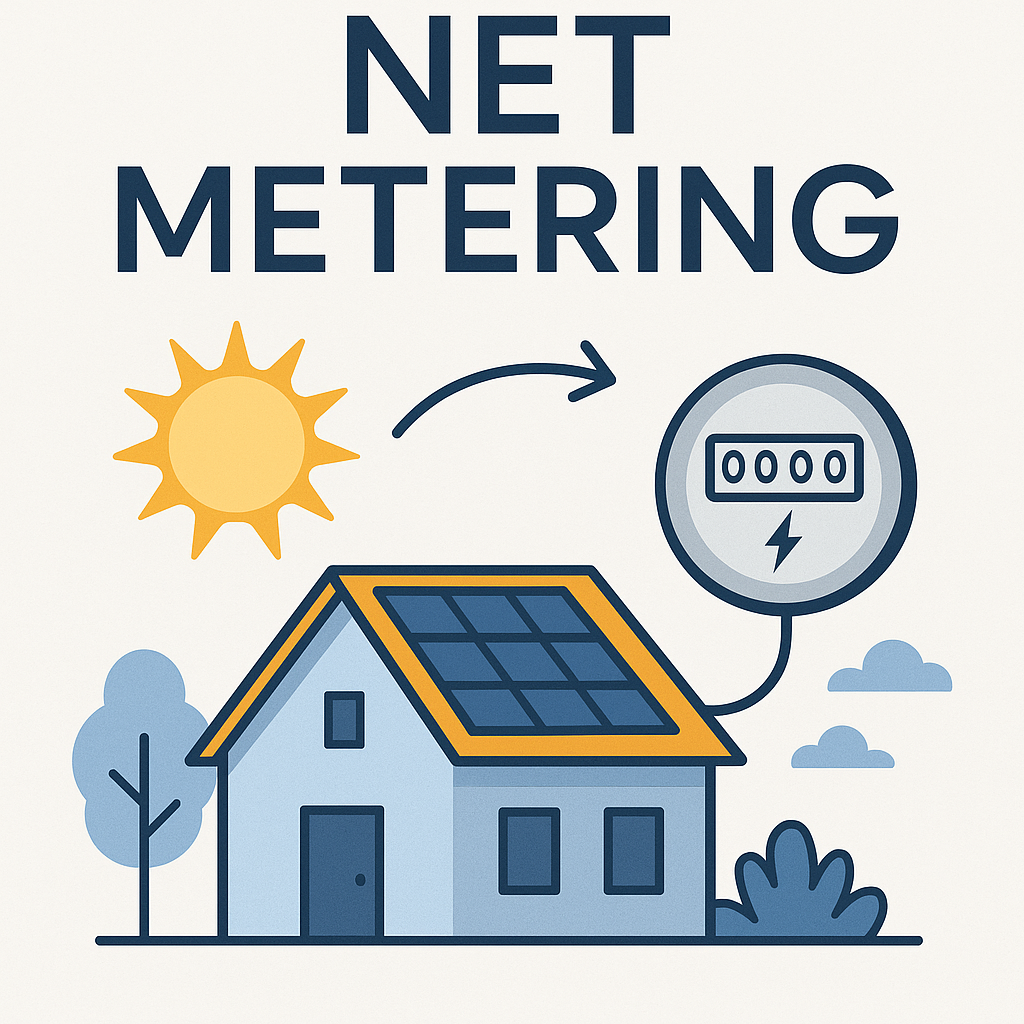
- Grid-Tied Systems: These systems are connected to the utility grid, allowing excess energy to be sold back to the grid and providing backup power during outages.
- Off-Grid Systems: These systems operate independently of the grid, requiring battery storage to store excess energy for use at night or during cloudy days.
3.2 Components of a Solar Panel System
- Solar Panels: The primary component that converts sunlight into electricity.
- Inverter: Converts the direct current (DC) produced by solar panels into alternating current (AC) used by home appliances.
- Battery Storage: (for off-grid systems) Stores excess energy for later use.
- Mounting System: Secures the panels to the roof or ground.
- Charge Controller: Regulates the voltage and current coming from the solar panels to ensure batteries are charged properly.
3.3 Selecting the Right Solar Panels
When selecting solar panels, consider factors such as efficiency, warranty, price, and brand reputation. Research product reviews and compare specifications to make an informed decision.
4. The Solar Panel Installation Process
4.1 Preparing for Installation
- Select a Qualified Installer: Choose a reputable solar installation company with experience and positive customer reviews.
- Obtain Necessary Permits: Your installer will typically handle this, but ensure that all required permits and inspections are secured.
4.2 Installation Steps
- Site Assessment: The installation team will assess your property to finalize the system design.
- Mounting Structure Installation: The mounting system is installed on the roof or ground, ensuring it is secure and correctly aligned.
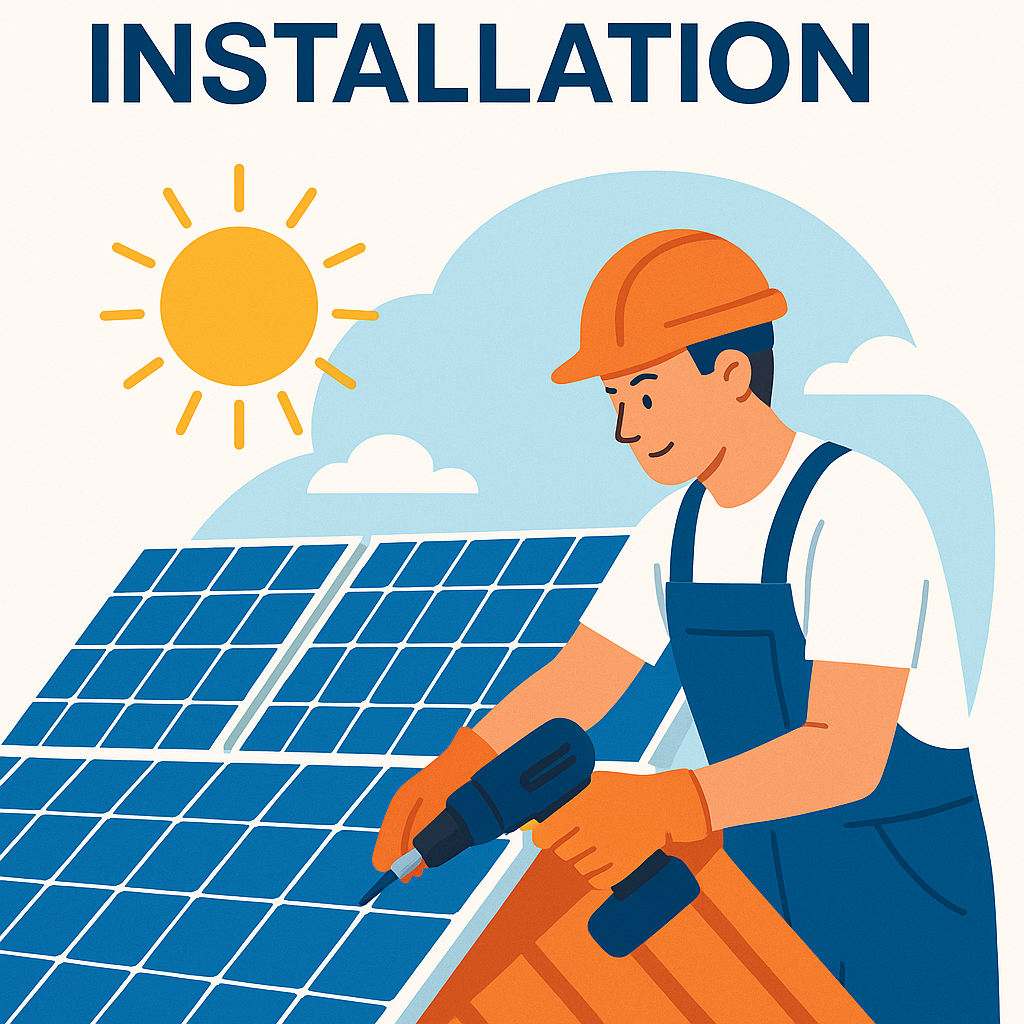
- Solar Panel Installation: Panels are attached to the mounting structure, optimized for sunlight exposure.
- Electrical Connections: The inverter and other components are installed, and electrical connections are made.
- Final Inspection: A final inspection by a local authority may be required to ensure compliance with codes.
4.3 Connecting to the Grid
Once the installation is complete, the system must be connected to the grid if it’s a grid-tied system. This involves:
- Utility Notification: Notify your utility company about your new solar installation.
- Interconnection Agreement: Sign an agreement allowing you to connect your system to the grid and sell excess power.
5. Financial Considerations
5.1 Cost of Solar Panel Installation
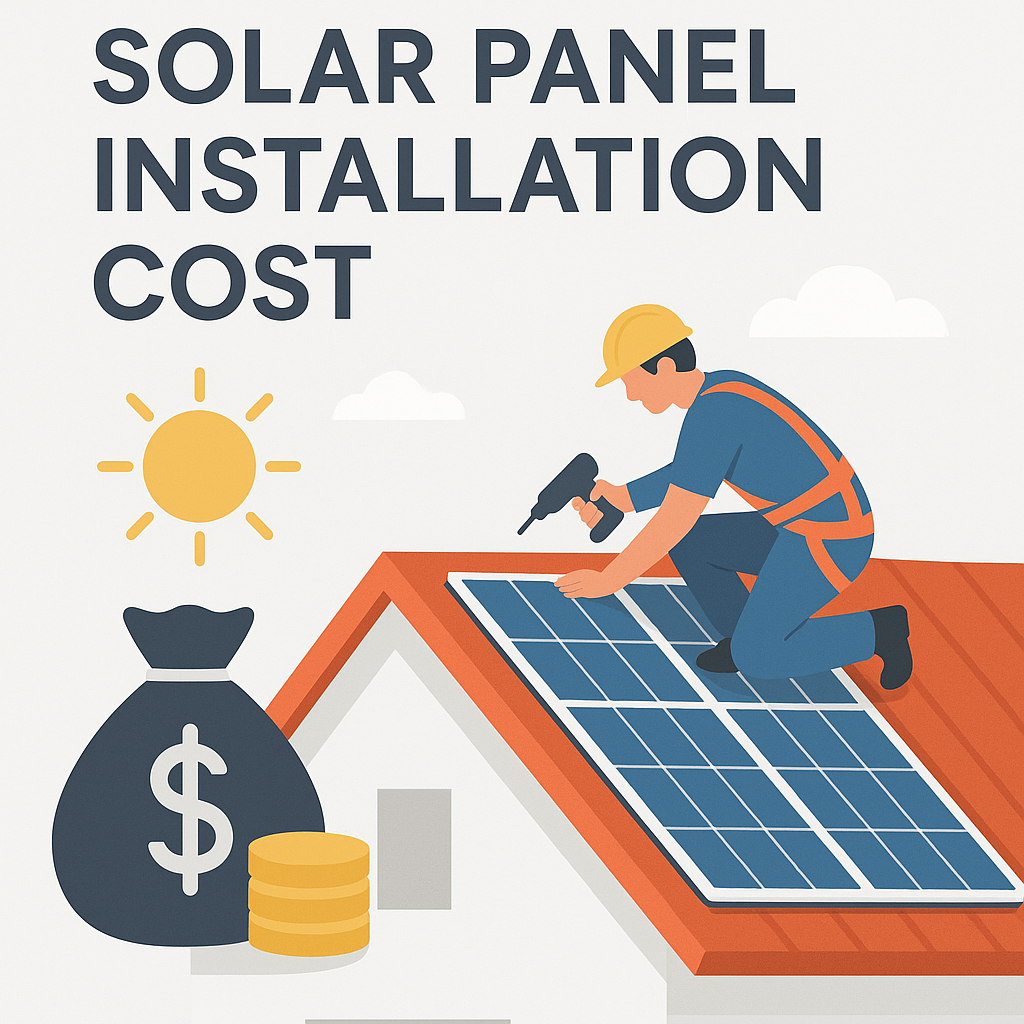
The cost of solar panel installation can vary significantly based on factors such as system size, type of panels, installation complexity, and location. On average, residential solar systems can range from $15,000 to $30,000 before incentives.
5.2 Financing Options
- Cash Purchase: Paying upfront for the entire system.
- Solar Loans: Taking a loan to finance the installation, which can be paid off over time.
- Leasing: Leasing solar panels from a provider with little to no upfront cost.
5.3 Tax Credits and Incentives
- Investment Tax Credit (ITC): A federal tax credit that allows you to deduct a percentage of your solar installation costs from your federal taxes.
- State Incentives: Many states offer additional rebates and credits to promote solar energy use.
6. Maintenance and Monitoring
6.1 Routine Maintenance
Solar panel systems are relatively low-maintenance, but routine checks should be performed to ensure optimal performance. This includes:
- Cleaning Panels: Remove dust, debris, and snow from panels to maintain efficiency.
- Inspecting Components: Regularly check the inverter, wiring, and mounting system for wear and tear.
6.2 Monitoring Your System’s Performance
Most solar systems come with monitoring software that allows you to track energy production and usage. Regular monitoring can help identify any issues early.
6.3 Troubleshooting Common Issues
Common issues may include:
- Reduced Energy Production: Check for shading, dirt accumulation, or system malfunctions.
- Inverter Issues: If the inverter shows an error, consult the manual or contact your installer for troubleshooting.
7. Conclusion
7.1 The Future of Solar Energy
The future of solar energy looks promising, with advancements in technology leading to increased efficiency and lower costs. As more individuals and businesses adopt solar energy, the overall impact on the environment and economy will be significant.
7.2 Final Thoughts
Installing solar panels is a substantial investment, but the long-term benefits can outweigh the initial costs. By understanding the installation process, financial implications, and maintenance requirements, you can make an informed decision that aligns with your energy needs and sustainability goals.
This extensive guide serves as a comprehensive resource for anyone considering solar panel installation, providing valuable information on every aspect of the process. Embracing solar energy not only benefits individual consumers but also contributes positively to the planet’s future.